Alytus | Kant. A room where no one thinks
Performance

A play in three acts (14+)
Marius Ivaškevičius
Directed by Oskaras Koršunovas
Duration – 4 hrs
Premiere date – 25th April 2025
For the first time at the State Small Theatre of Vilnius, the internationally acclaimed Lithuanian director Oskaras Koršunovas presents a production based on a play by the renowned playwright Marius Ivaškevičius.
The play is dedicated to the milieu in which the famous Prussian philosopher Immanuel Kant lived; a man as remarkable for his thought as for his way of life. In his most famous work, "Critique of Pure Reason", the philosopher set himself the almost impossible task of exploring the limits of reason and establish solid foundations for metaphysics, which at that time was considered both necessary and inevitable. By exploring the possibilities of the mind through the mind itself, the philosopher produced one of the most impressive works in the history of human thought. Unlike Kant's complex and intricate thought, the play presents the Kantian world in an engaging and witty manner, and even continuing the philosopher's own project of "exploring" the dramatic form by dramatic means.
*
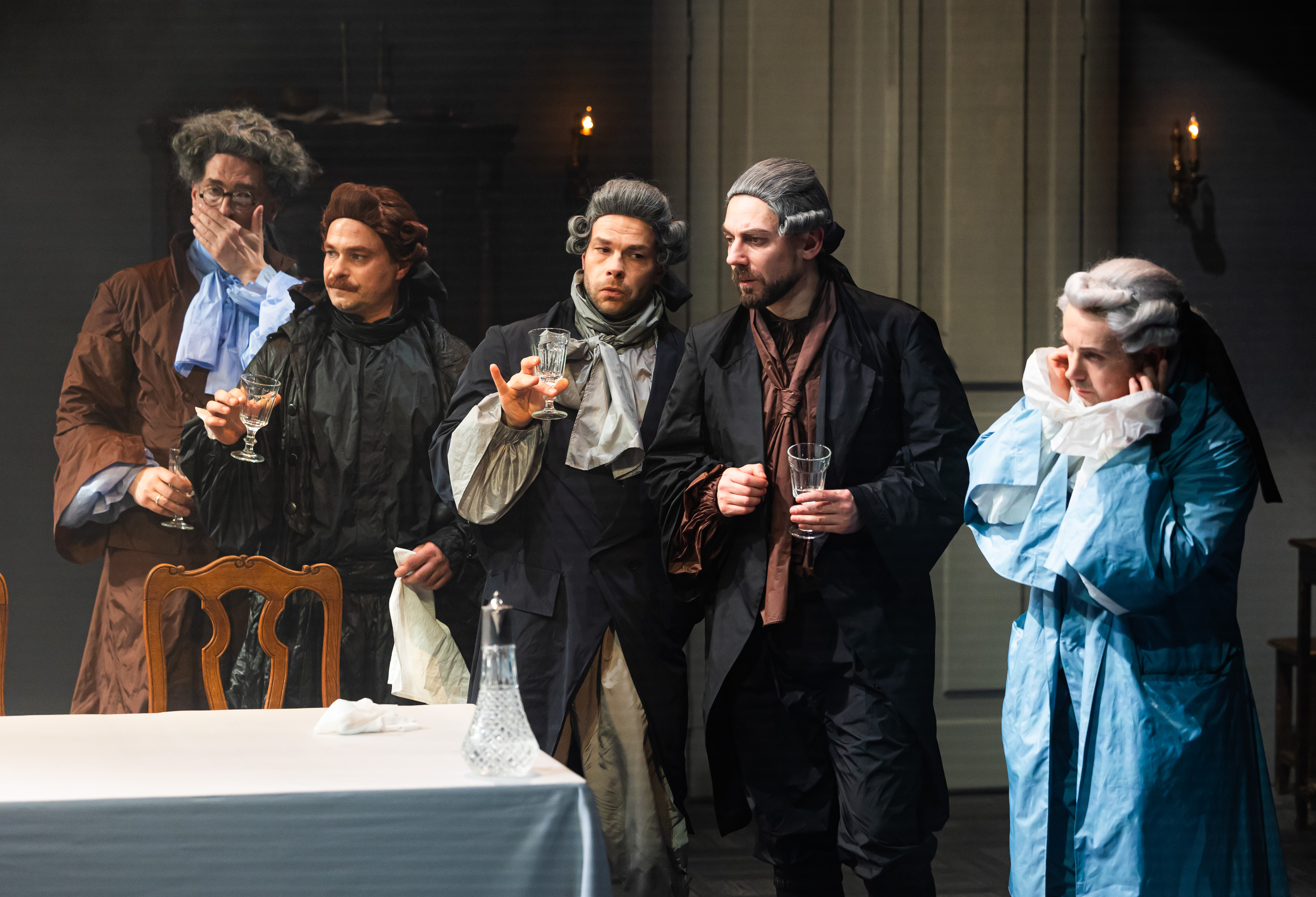
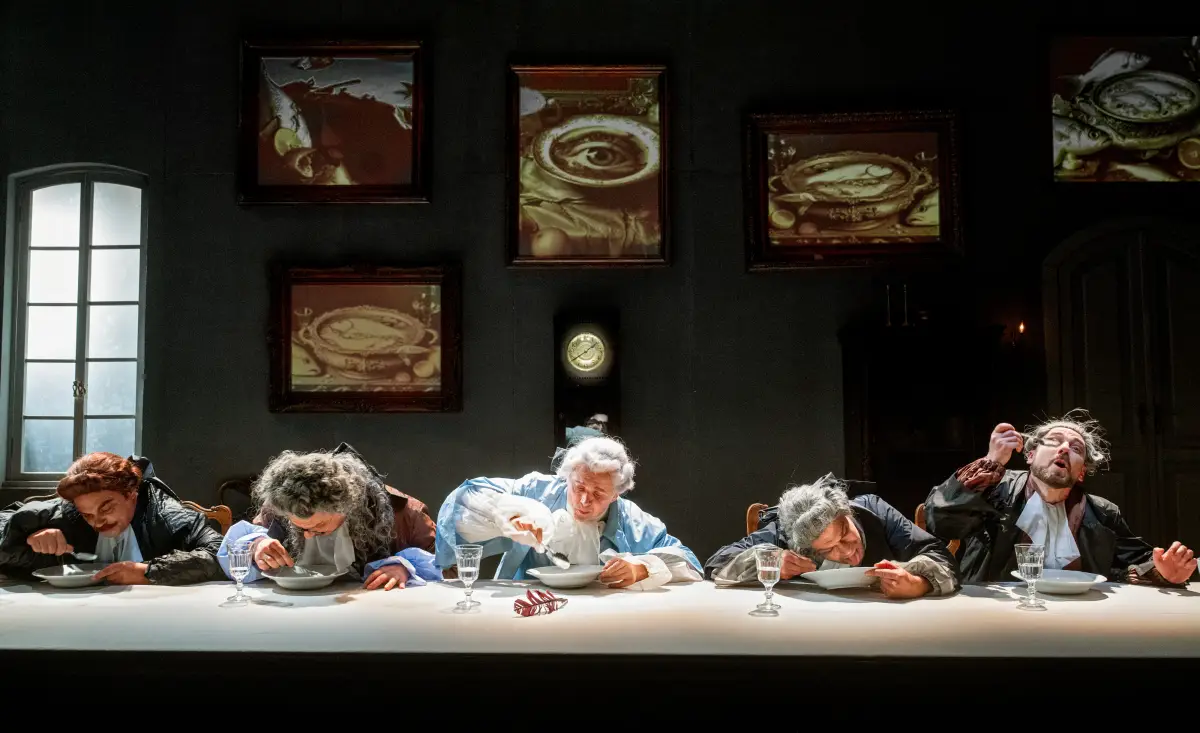
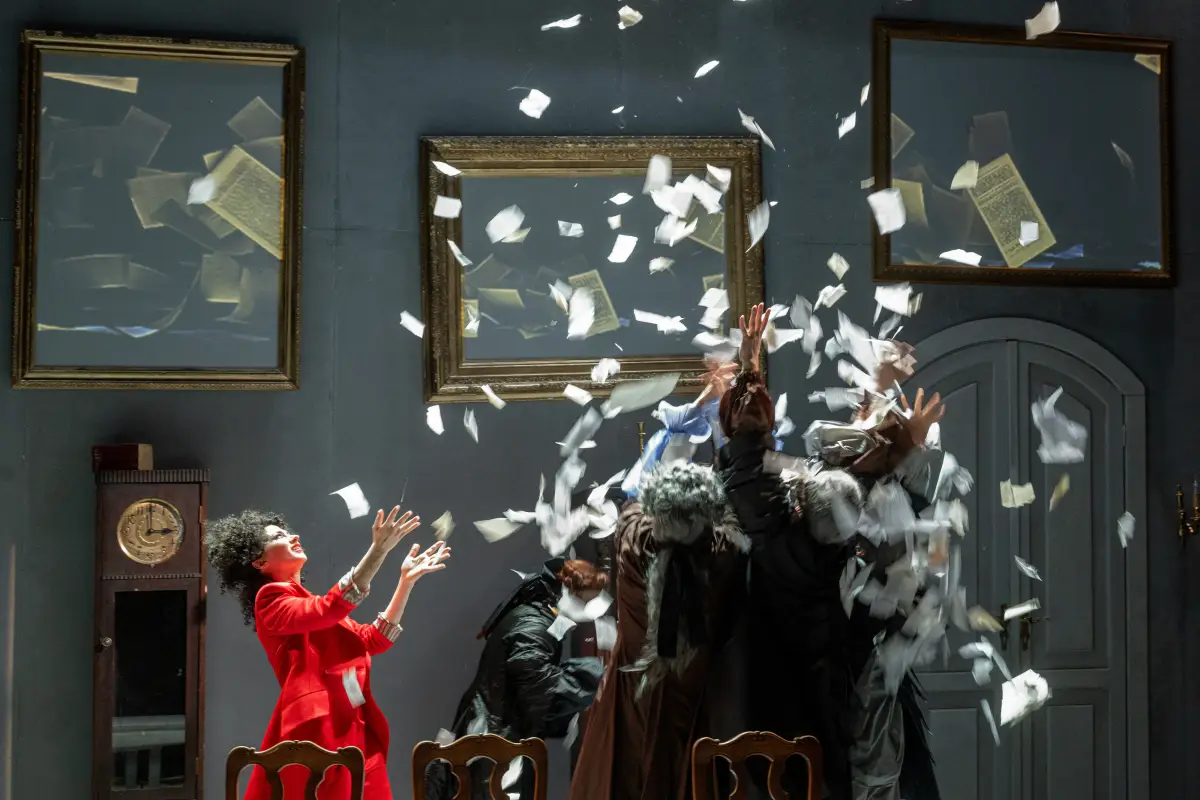
The play is set in 1784 in Königsberg. It is November in Prussia. There is a growing sense that society is about to undergo significant social change. The Great French Revolution is quietly approaching. The philosopher sits down for lunch, following his usual ritual of eating longer lunches in the company of men and, most importantly, avoiding any discussion of work.
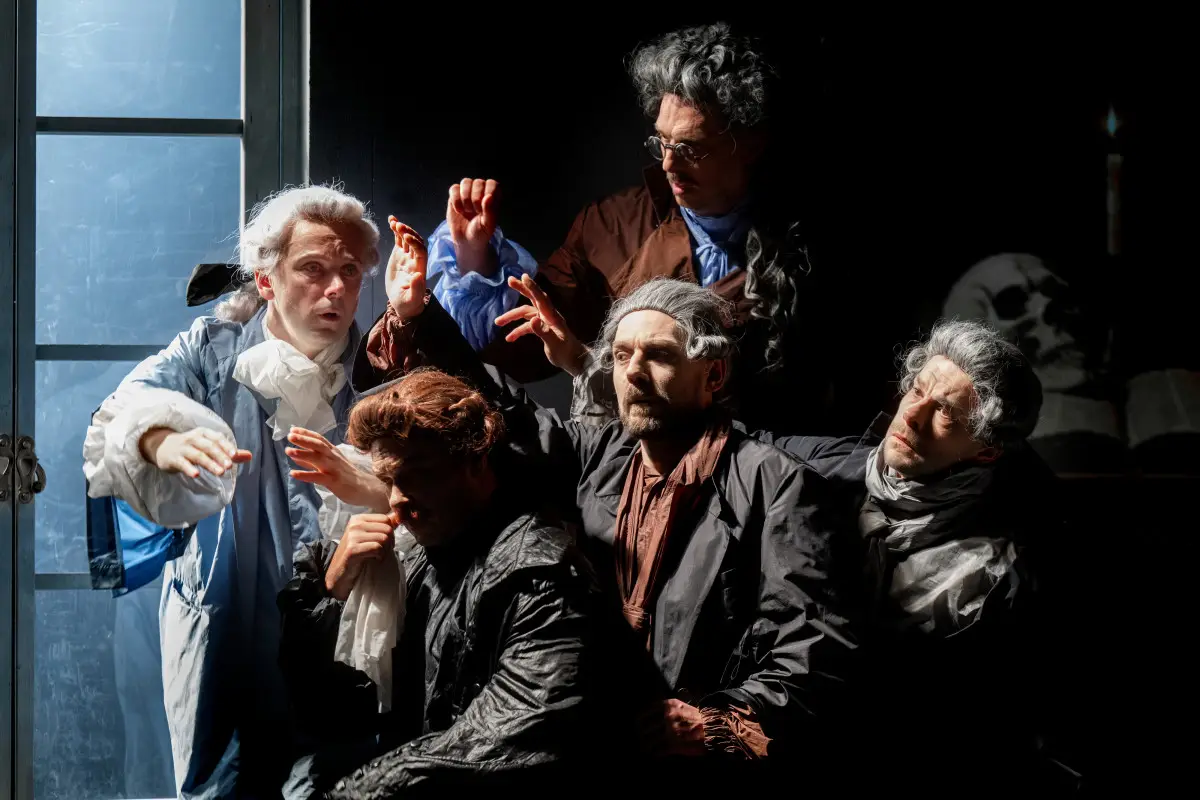
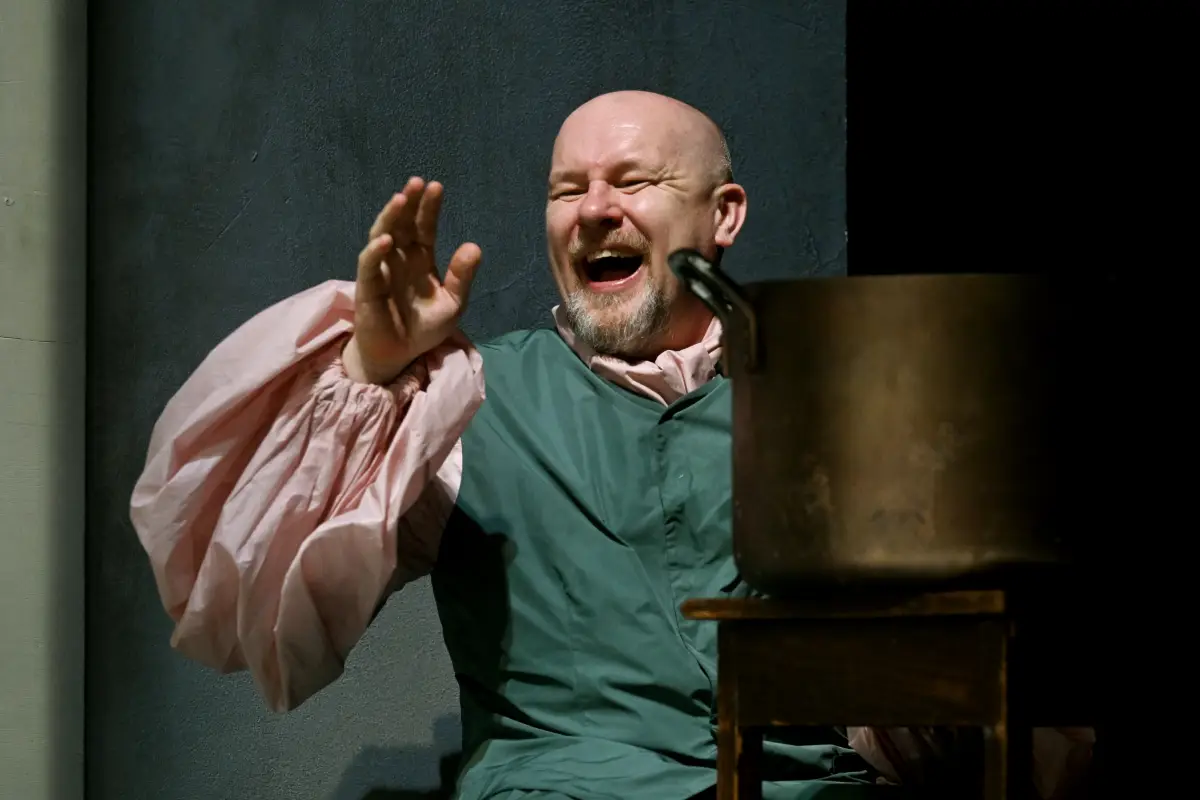
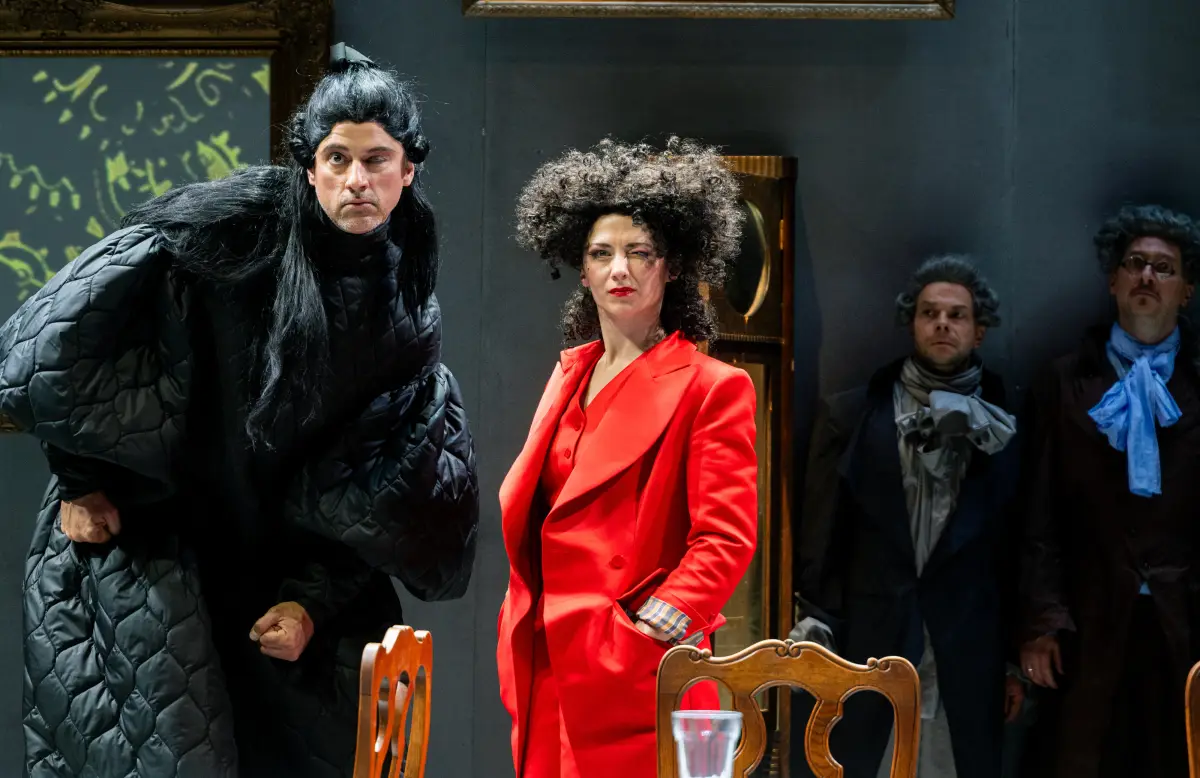
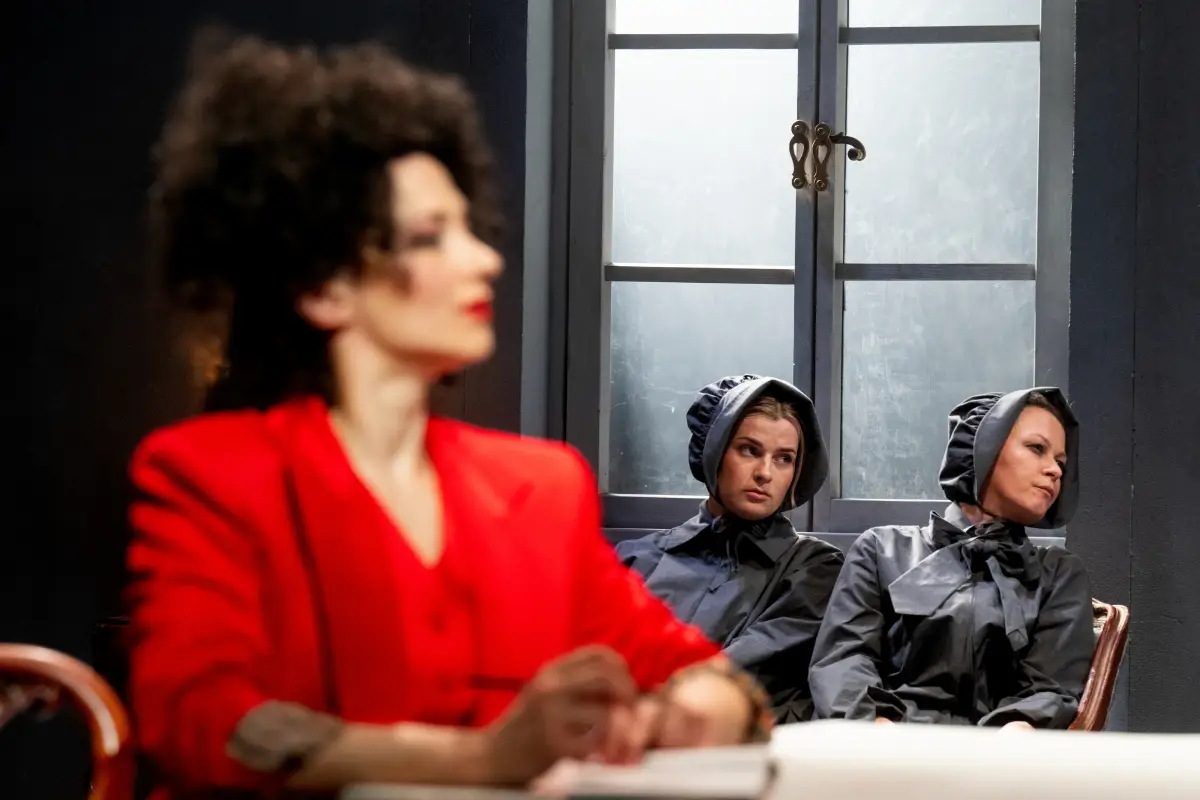
At the table, the men start talking about this and that, about everyday life at home and the state of times in general. Illness is another frequent topic of conversation: Kant and his servant Martin both suffer from digestive troubles. But it soon becomes clear that these are not simple ailments, but something has happened to nature itself. The men's conversation is interrupted by the doorbell and the unexpected appearance of a visitor, who introduces herself as the niece of Kant's old friend Joseph Green. Coming from foggy Scotland, she asks the philosopher to sign his opus for her. Reluctantly, the men let the lady in, and although she has little knowledge of the local language, she soon becomes involved in a philosophical debate, setting aside the usual conventions of the lunch table. Kant agrees to reveal the secret of man, examining, together with Phobi, the aspects of human existence and attempting to draw a line between man and beast. After a while, Phobi disappears, creating a mystery that further stimulates the debate about human nature and its transience.
According to biographical accounts, Kant ate only one meal a day, usually in the company of friends and these gatherings often lasted for several hours. Despite poor health throughout his life, Kant had a good sense of humour, excelled at billiards, and was known for his modesty, simplicity, strict discipline, and limited sleep. He never married and never left his hometown, although he loved to read travel accounts and retell them to his friends. Kant's punctuality was well-known: the inhabitants of Königsberg could check the accuracy of their watches when they saw him out for a stroll.
By elevating reason and reflecting on the idea that things as they are "in-themselves" remain ultimately unknowable to human beings, Kant turned all experience of the world into a mere result of human reasoning. Thus the world reveals itself only to the extent that human beings are able to comprehend it. Kant wanted man to develop his mind and thus free himself from the prejudices that keep him from being truly free.


Additional information:
Ages 14+
Festivals, tours, awards:
2025 – Awarded in two categories at the 14th Lithuanian Theatre Festival “COM•MEDIA” in Alytus (Lithuania): “Best Actress”, “Best Actor”.
2026 – Recognized as the best performance at the 42nd Lithuanian Professional Theatre Festival Teatro genas in Rokiškis, Ramūnas Cicėnas won the prize as the best actor.